
Cellulite treatment: what really works
Somewhere between eighty and ninety percent of women will develop cellulite at some point, regardless of their weight or fitness level, which makes it one of the most common and most misunderstood cosmetic concerns we see. Cellulite is not a sign that you are not working hard enough. It is a structural issue beneath the skin, and understanding that structure is the key to understanding which cellulite treatment options genuinely help and which ones offer only temporary, cosmetic improvement.
This post covers what causes cellulite, the difference between at-home approaches and clinical treatments, what options are available today, and how to choose a cellulite treatment plan suited to your body.
In case you are new here, I am Brenda Herrera, founder of Herrera MD MedSpa, a physician-led medical spa helping women reconnect with their confidence through ethical, medically guided aesthetic care. Cellulite is one of the concerns we hear about most often, usually paired with frustration over trying products and routines that promised more than they delivered.
What causes cellulite?
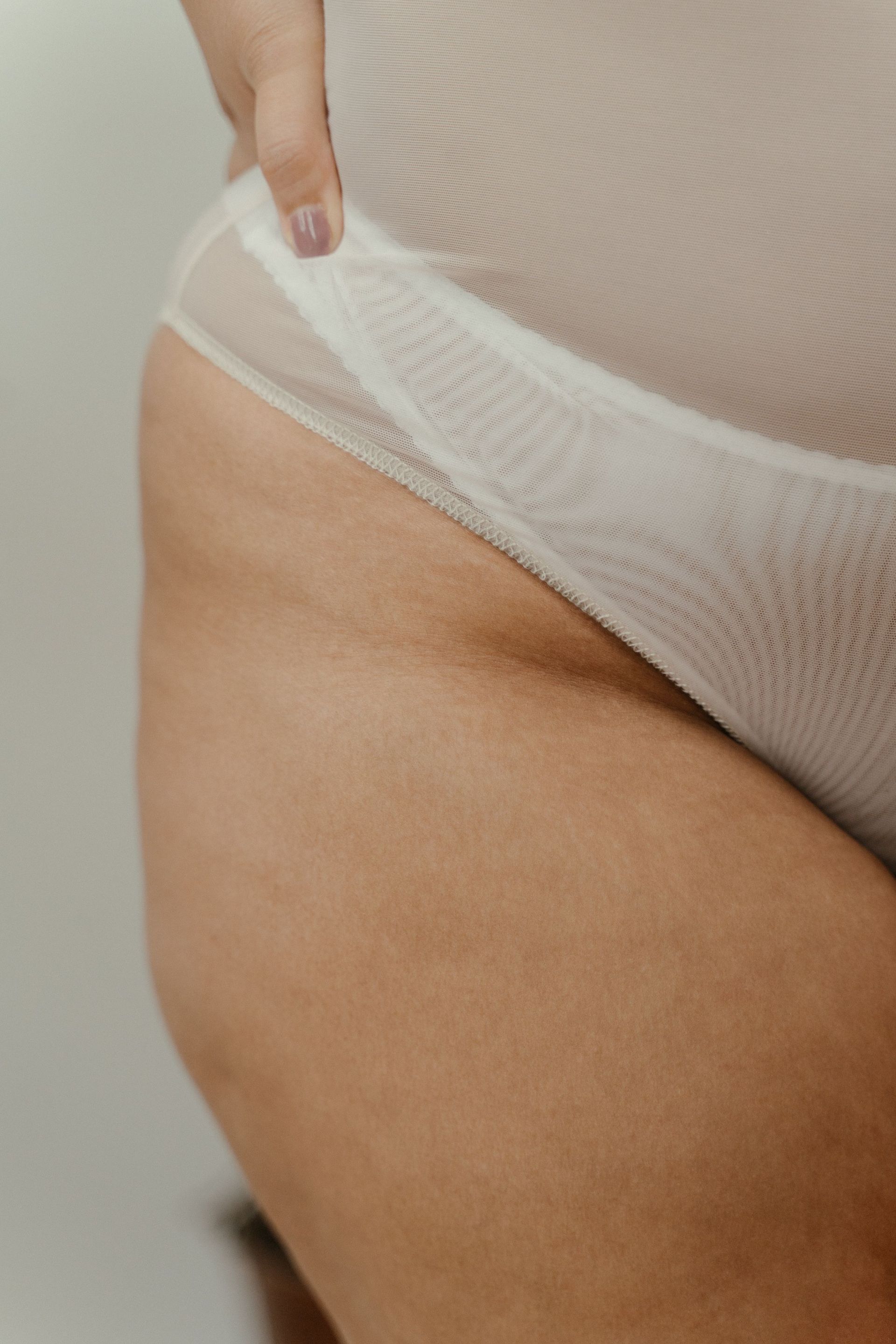
Cellulite forms when fibrous connective tissue bands beneath the skin pull downward while fat pushes upward, creating the dimpled, uneven texture on the surface. This is a structural issue, not simply a matter of excess fat or poor fitness.
The role of genetics and hormones
Genetics play a significant role in determining how thick your skin is, how your connective tissue is arranged, and how your body distributes fat, all of which influence whether and how visibly cellulite appears. Hormones, particularly estrogen, also affect blood flow and connective tissue elasticity, which is part of why cellulite is far more common in women than in men and why it often becomes more noticeable during hormonal shifts like pregnancy or perimenopause.
Why cellulite is not just about weight
Because cellulite is structural rather than purely fat-based, it can appear on women at any weight, including those who exercise regularly and eat well. We see this misunderstanding often in consultations: patients who have done everything "right" and still feel confused or discouraged that cellulite persists. Understanding that this is a structural pattern, not a personal failing, is often the first meaningful shift in how a patient approaches treatment.
Understanding cellulite grades
Cellulite is generally described in grades ranging from mild to severe. Grade one cellulite is typically only visible when the skin is pinched or compressed. Grade two becomes visible while standing, without needing to pinch the skin. Grade three includes more pronounced dimpling that is visible while standing and often described as having a raised, uneven texture. Knowing your grade matters because it directly affects which treatments are realistic. Mild cellulite often responds well to a shorter treatment series, while more advanced cellulite may need a longer series or a combination of approaches to see meaningful change.
At-home approaches versus clinical treatments
Cellulite treatments generally fall into two categories, and understanding the difference helps set realistic expectations.
| At-home approaches | Clinical treatments |
|---|---|
| Retinol creams that thicken skin over time | Radiofrequency and laser devices that heat tissue and stimulate collagen |
| Dry brushing and massage for temporary smoothing | Vacuum-assisted treatments that target fibrous bands directly |
| Exercise and strength training to tone underlying muscle | Combination devices like T-Shape 2 that treat fat, cellulite, and skin together |
| Results are temporary and require ongoing maintenance | Results are longer lasting and target the structural cause more directly |
What at-home methods can achieve
At-home methods can visibly improve the look of skin. Retinol creams, applied consistently over several months, can thicken the skin enough to make cellulite somewhat less visible. Dry brushing and massage temporarily improve circulation and lymphatic drainage, which can reduce puffiness and plump the skin for a short window of time. None of these methods resolve the underlying fibrous bands causing the dimpling, which is why the improvement tends to fade once the routine stops.
What clinical treatments add
Clinical treatments are generally needed for longer lasting, more noticeable improvement because they work at a deeper tissue level than any topical product can reach. Energy-based devices heat tissue enough to trigger genuine collagen remodeling, and some approaches physically address the fibrous bands themselves. This is the difference between temporarily improving how skin looks and genuinely changing the structure underneath it.
What clinical cellulite treatment options are available
- Radiofrequency and acoustic wave therapy: use energy or sound waves to heat skin and break down fibrous bands, typically requiring a series of sessions
- Laser and heat-based treatments: stimulate collagen production to thicken skin, making cellulite less visible
- Vacuum-assisted treatments: combine suction with energy delivery to lift tissue and treat fibrous bands more precisely
- Combination devices: layer several of these technologies into one treatment, addressing fat, skin tightness, and cellulite in the same session
How these treatments are typically delivered
Most non-invasive clinical treatments require multiple sessions and periodic maintenance to keep results visible, since cellulite is influenced by ongoing factors like hormones and skin quality that continue to change over time. Sessions are generally spaced one to two weeks apart, and most patients notice gradual improvement across a series of four to eight treatments, depending on the severity of the cellulite and the technology used.
What the research says about effectiveness
Research on cellulite treatments consistently points to a few approaches with meaningful supporting evidence: subcision, which physically releases fibrous bands; laser and radiofrequency treatments, which stimulate collagen; and acoustic wave therapy, which helps break down fibrous tissue while improving circulation. These approaches are considered more effective than topical products alone, though even the best clinical options require realistic timelines and periodic maintenance rather than delivering a single, permanent fix.
Setting realistic expectations
No cellulite treatment eliminates cellulite permanently in a single visit, and any provider who promises that should raise a flag. What clinical treatments can genuinely deliver is a visible improvement in skin smoothness and texture, often noticeable within a few sessions and continuing to improve for weeks afterward as collagen remodeling continues.
Why maintenance matters
Maintenance sessions every few months help preserve results, since the biological factors that created the cellulite in the first place, genetics, hormones, and skin structure, do not disappear after treatment. Think of maintenance the way you would think of any other long-term wellness routine: the goal is not a permanent fix after one round, but consistent upkeep that keeps the improvement you have worked for.
Combining treatment with lifestyle habits
Cellulite treatment also works best as part of a broader plan. Combining clinical treatment with movement, strength training, and skin care supports longer lasting results than any single approach alone. Strength training in particular can improve the tone of the muscle beneath the treated area, which subtly changes how the skin above it looks and feels.
The role of hydration and circulation
Staying well hydrated supports skin elasticity and can make a noticeable difference in how smooth treated areas appear between sessions. Circulation also matters more than most patients expect. Prolonged sitting, tight clothing, and a sedentary routine can all reduce circulation in areas prone to cellulite, which may make the appearance more pronounced over time. Simple habits like taking regular walking breaks and avoiding tight waistbands for long stretches can modestly support the results of a clinical treatment plan.
Choosing the right cellulite treatment for you
The right option depends on the severity of your cellulite, whether skin laxity or stubborn fat is also part of the picture, and how much time you can commit to a treatment series.
What a thorough consultation should include
A thorough consultation should assess your cellulite grade, evaluate whether fat or skin laxity is contributing to the appearance of the area, and take your goals and timeline into account before recommending a specific technology. The same device is not right for every patient or every area of the body, and a provider who recommends the same treatment to every patient regardless of their specific presentation is not giving you individualized care.
When a combination approach makes sense
We often recommend combination treatments like T-Shape 2 for patients dealing with cellulite alongside mild skin laxity or stubborn fat, since treating all three factors together tends to produce a more complete, natural looking result than targeting cellulite in isolation. For patients whose primary concern truly is cellulite alone, a more targeted, single-purpose treatment may be the better starting point.
You deserve care that tells you the truth
You are not asking for too much by wanting your skin to reflect how you feel inside. Wanting smoother, firmer skin is not vanity, it is self-care, and you deserve a provider who leads with honesty rather than selling you the newest trend.
Every cellulite treatment plan we build is centered on your specific goals and guided by clinical expertise, never a one-size-fits-all protocol. We proudly serve patients from our Med Spa in Rochester Hills, MI location. Book your consultation today.
Hi, I’m Dr. Brenda Herrera
An internal medicine physician with nearly two decades of experience







Medical disclaimer. The content on this blog is provided for general informational and educational purposes only. It does not constitute medical advice, a medical opinion, a diagnosis, or a treatment recommendation, and it is not a substitute for care from your own physician or another qualified healthcare provider. Reading this blog or contacting us through this site does not create a physician-patient relationship. Always seek the advice of your physician with any questions you may have about a medical condition, and never disregard or delay seeking professional medical advice because of something you read here. If you think you may have a medical emergency, call 911 or go to the nearest emergency room immediately.